Astronomy Basics
Start Your Space Journey Here
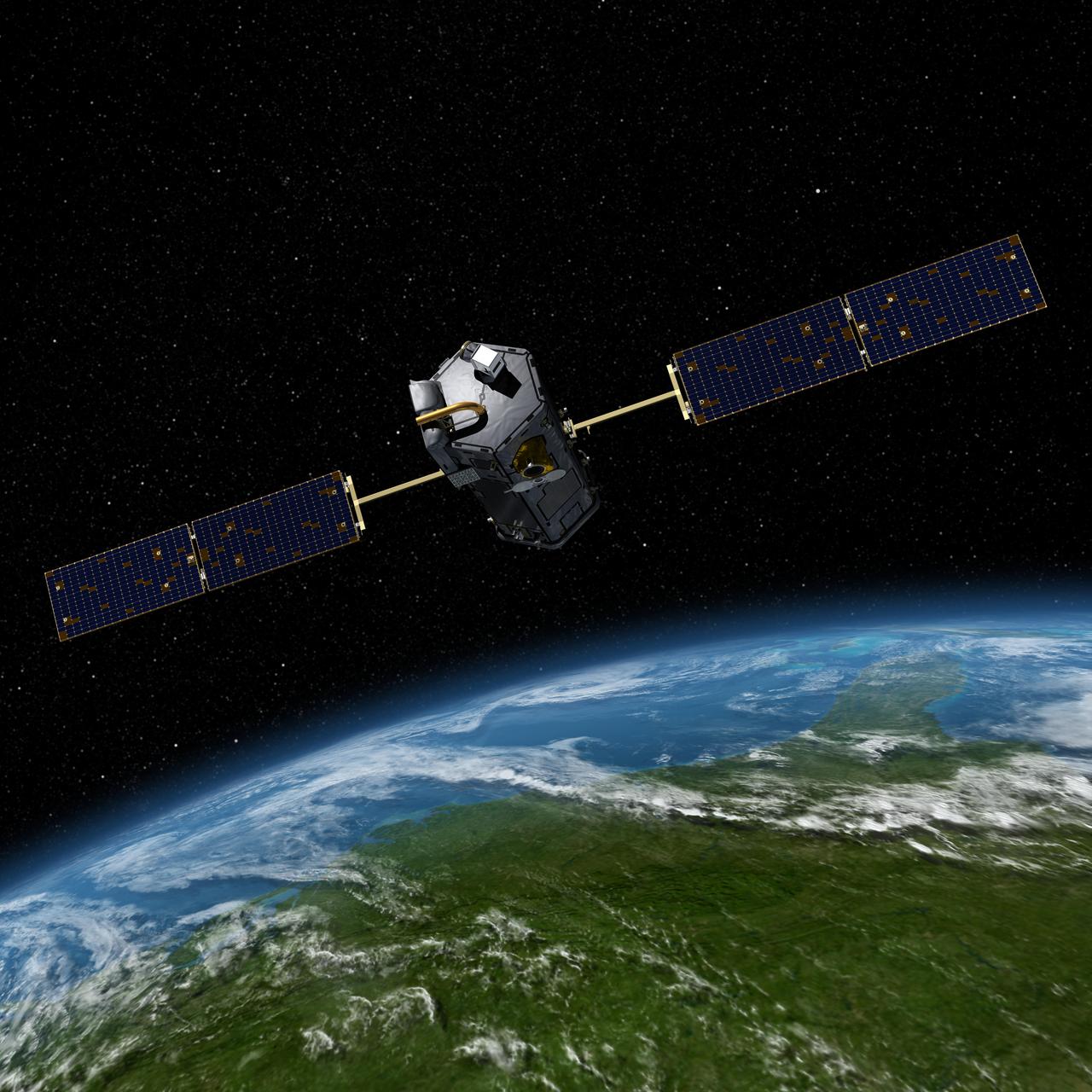
Astronomy is the study of celestial objects, space, and the universe as a whole. It is one of the oldest sciences, dating back thousands of years. Whether you are just starting to look up at the night sky or diving deep into cosmology, astronomy offers endless wonders to explore.
Fundamental Concepts
- Light-Year: The distance light travels in one year (about 9.46 trillion km)
- Astronomical Unit (AU): Average distance from Earth to Sun (150 million km)
- Parsec: A unit of distance based on stellar parallax (3.26 light-years)
- Redshift: The stretching of light from objects moving away from us
- Spectrum: The range of electromagnetic radiation from an object
The Electromagnetic Spectrum
Astronomers study the universe across the entire electromagnetic spectrum — from radio waves to gamma rays. Different wavelengths reveal different information about celestial objects. For example, infrared telescopes can see through dust clouds, while X-ray telescopes reveal extremely hot gas.
Scale of the Universe
The observable universe is about 93 billion light-years in diameter and contains an estimated 2 trillion galaxies. Our galaxy alone contains 100-400 billion stars, and there are more stars in the universe than grains of sand on all of Earth's beaches.